



Deals and guides connected live

when flight ticket price drop

When flight ticket price drop

When flight ticket price drop and why it happens, plus a checklist for deciding whether to book or wait.

Flare Travel Desk · · 1164 words

When flight ticket price drop
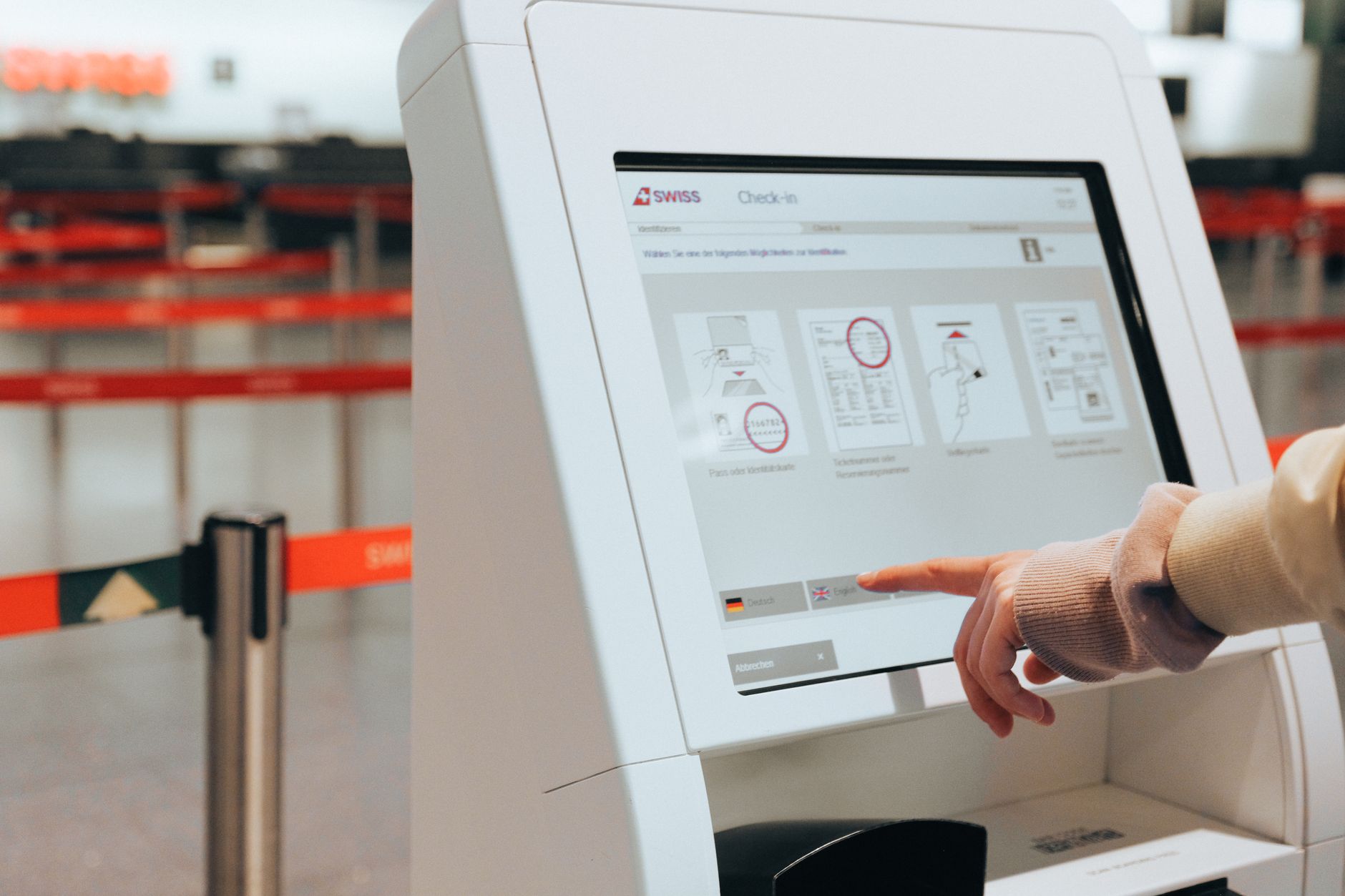
Photo: Anna Shvets · Pexels
Editorial scope: Flare explains fare discovery and travel planning with clear caveats: prices and availability can change before booking.

Live destination map

Fare data meets travel intelligence

Move from a current fare signal to a photographed destination page, then use Flare guides to evaluate the complete trip.


When flight ticket price drop: what actually moves fares

Asking when flight ticket price drop is really asking about the mechanics behind airline pricing systems. Fares shift constantly because airlines run automated revenue management software that adjusts prices based on how many seats remain unsold, how far out the departure date is, and what competitors on the same route are charging at that moment. There is no single weekday or hour that reliably triggers a drop across every route, despite popular claims to the contrary.

Instead, price drops tend to cluster around a few recurring situations: a route gets new competition from another carrier, an airline is trying to fill seats on a flight that is under-booked as departure nears, or a broader fare sale is launched to stimulate demand during a historically slow booking period. None of these triggers are fixed to a calendar, which is why chasing a mythical 'best day to book' is less useful than watching the actual price movement on the specific route you care about.

Because these shifts are driven by inventory and competition rather than a schedule, the practical skill is not predicting the drop but noticing it quickly once it happens and having already decided what conditions would make you act on it.

Why tracking beats guessing

Rather than relying on rules of thumb, tools that monitor a specific route over time give a more grounded picture of whether a fare is genuinely low or just average. Google Travel, for instance, lets travellers track flights and prices for routes they are considering, surfacing historical context so a traveller can see whether today's fare is unusual for that itinerary.

This kind of tracking does not remove uncertainty entirely. Prices can still move again after a drop is detected, and availability for the cheapest fare class is often limited to a handful of seats. The value of tracking is in reducing guesswork, not eliminating the need for judgment about how much risk you are willing to accept before booking.

How Flare fits into this question

Flare is a service that surfaces flight-deal discovery pages organised by a traveller's departure city, built around a stated methodology for flagging fares that sit meaningfully below what its monitoring treats as the typical reference price for a given route. In the context of deciding when flight ticket price drop is worth acting on, this kind of page can serve as one input: a starting point for spotting a route where something unusual has already happened, rather than a signal telling a reader when a drop will occur next.

It's worth being clear about the boundaries here. A deal page reflects a snapshot, and fares and seat availability shown on any such page can change by the time a traveller reaches the airline's own booking flow, so the advice in this article treats Flare as one discovery tool among several rather than a guarantee of savings.

A worked example: deciding whether to book now

Consider a hypothetical traveller, Dana, who is flexible on dates and is watching a route from their home city to a destination they want to visit sometime in the next four months. Dana sees a fare that looks lower than what they remember paying for similar trips in the past. Rather than booking immediately or waiting indefinitely, Dana works through a short decision process.

This is illustrative only, not a report of an actual outcome or test.

  • Compare the fare against the historical trend for that specific route, using a tracking tool, rather than against a general impression of what flights 'should' cost
  • Check whether the traveller's dates have any flexibility of a few days in either direction, since that flexibility is often what makes a lower fare reachable
  • Confirm the total trip cost, including baggage, seat selection and any connection risk, not just the headline ticket price
  • If the fare meets Dana's own threshold for being unusually low and the dates work, book promptly, since availability at that price is typically limited
  • If the fare is only slightly below Dana's expectation, treat it as one data point and keep watching rather than treating it as a rare event

Total-trip context matters more than the sticker price

A dropped ticket price is only part of the total cost of a trip. Connection times, baggage allowances, seat selection fees and the flexibility of the fare (whether it can be changed or refunded) all affect whether a lower headline price actually represents better value. A traveller who focuses only on the number on the search results page risks choosing a fare that ends up costing more once these factors are added in, or that leaves them with little room to adjust plans if something changes.

This is particularly relevant for flexible travellers comparing several ideas at once, since the temptation is to chase the single lowest number across multiple destinations without weighing what each itinerary actually includes. Building a habit of checking total trip cost, not just the fare, tends to produce better decisions than reacting quickly to any one price drop.

Checking current requirements before booking

Because entry, passport, visa and health requirements depend on both the traveller's nationality and the specific destination, and because these requirements can change, it is worth confirming current official rules before committing to a booking, even when a fare looks appealing. This step is separate from the price question but is easy to skip when a deal feels time-sensitive.

Similarly, once a fare has caught a traveller's attention, whether through a tracking tool or a discovery page, the displayed price and seat availability should be confirmed directly with the airline or booking provider before payment, since both can shift in the time between discovery and checkout.

Frequently asked questions

Is there a specific day of the week when flight prices are most likely to drop?

No single day reliably produces lower fares across all routes. Airline pricing responds to seat inventory, competition and demand patterns specific to each route, so watching the actual price trend for your itinerary is more useful than following a general rule about weekdays.

How much lower does a fare need to be before it's worth booking quickly?

There's no universal threshold, since normal prices vary by route and season. A more reliable approach is comparing today's fare against that specific route's historical pricing using a tracking tool, then deciding based on your own flexibility and budget rather than a fixed percentage.

Can a flight price drop after I've already booked?

Yes, fares can continue to change after you book, and most airlines do not automatically refund the difference unless the ticket type explicitly allows changes or fare adjustments. Checking the fare rules before purchase clarifies what options, if any, exist if the price drops later.

Sources and further reading

These resources provide the wider reference frame. Product statements on this page are limited to the public information provided by Flare.

Who, how and why

Editorial responsibility: Flare Travel Desk

An automated assistant prepared a first draft. It then passed the published structure, similarity and unsupported-claim checks. Please report any useful correction through the main site.

Method, checks and corrections

FlareSee today's deals