

What airline cheap really ticket alerts are actually telling you
People searching for airline cheap really ticket alerts usually want one thing: a message that tells them when a flight has become unusually cheap, so they can act before the price moves. That is a reasonable goal, but an alert only reports that a price looked low at a certain moment compared with something else. It does not confirm that the seat is still there, that the fare suits your trip, or that you can travel to the destination at all.
Before deciding whether an alert deserves a booking, it helps to ask three questions. What is the alert comparing the price against? How old is the observation? What does the fare leave out? The rest of this article works through those questions so that you can treat alerts as a useful starting point rather than a final answer.
Two different kinds of fare alert
Most alerts fall into one of two groups. The first is tracking a trip you have already chosen. Google's Travel Help page, at the time of writing, describes how Google Flights lets you turn on price tracking for a route and dates, for a specific flight, or for 'Any dates' if you are flexible. It says you can receive emails when a tracked price changes significantly. With 'Any dates', an email is sent when the route's minimum price drops significantly over a month, and a regular update with the best available prices is sent otherwise. The page also describes notices when prices on a tracked route are likely to rise, or when a current fare is about to expire. These features belong to Google and may change, so check its help page for the current behaviour.
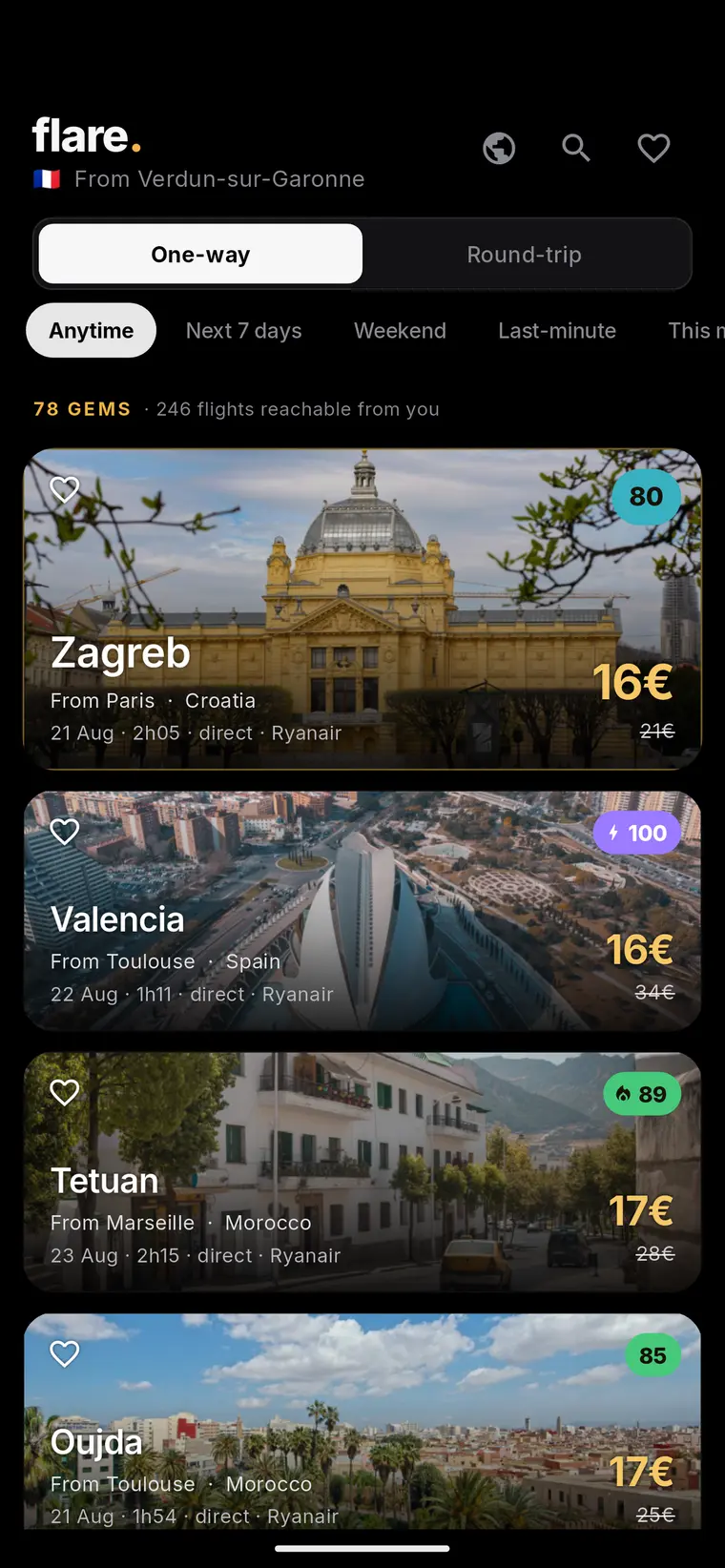
The second group is discovery. Instead of watching one route, a discovery service shows you which destinations look cheap from where you are. Flare works this way: it publishes deal pages organised around a traveller's departure city. This suits people who know when they can travel but have not chosen where to go. The two approaches complement each other. Discovery helps you find an idea, and route tracking helps you follow that idea once you have one.
What 'really cheap' is measured against
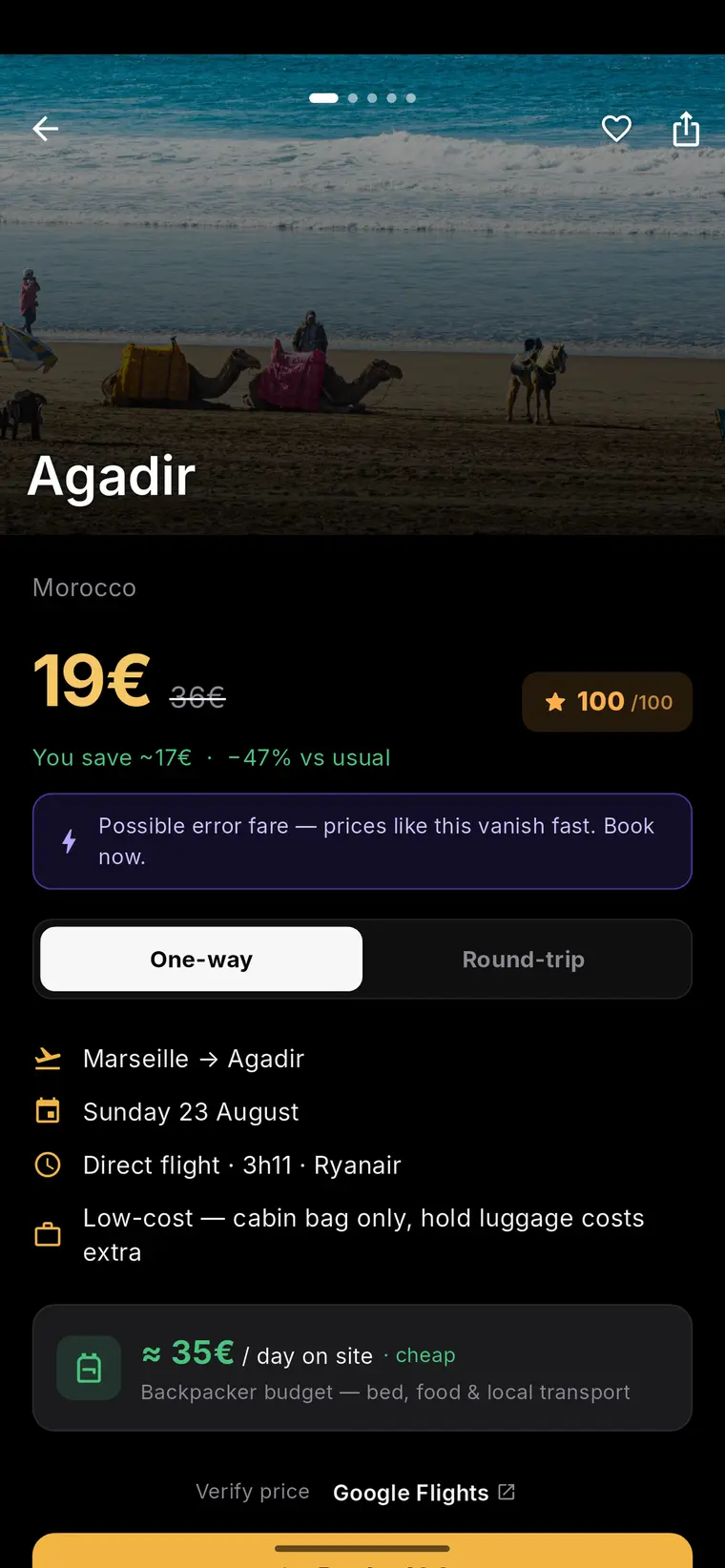
A low price only means something when you know what it is being compared with. Flare's methodology page explains that a fare appears in its public collection only when it is at least 30% below the reference price for that route. Where there is enough route history, the reference is the median of observed baseline prices, taken after the outer 10% of those observations has been trimmed. A minimum amount of history is needed before the comparison can suggest a large drop. The page also describes a Deal Score with a minimum threshold. The score ranks candidates using the size and confidence of the drop together with stops, duration and trip shape. Flare states clearly that the score is a way of prioritising results, not an external rating, and that a high score does not make a fare verified.
This matters because a fare can be well below a route's usual level and still cost more than you intended to spend. It can also be cheap because the itinerary is awkward. A long connection or an overnight layover can explain why a price looks unusual. Flare also describes its public pages as timestamped observations taken from recent scans, not quotes and not promises of availability. Read every alert, from any provider, as a snapshot that might already be out of date.
Putting the fare in total-trip context
The ticket price is often only part of the cost of travelling. Before comparing two alerts, estimate what the whole journey would cost. A cheaper fare to an airport far from where you are going, or one that arrives late at night, can end up costing more once transfers and an extra night's accommodation are added. Flexibility helps here. If your dates or your destination can move, compare several options on the same terms rather than following the first notification you receive.
Use this checklist to make alerts comparable:
- Baggage: what the fare includes and what checked or cabin bags would cost with the booking provider.
- Airports: the cost and time of getting to the departure airport and from the arrival airport to where you are staying.
- Schedule: arrival times, length of connections and any overnight stops.
- Dates: whether moving the trip by a day or two changes accommodation costs more than it saves on the flight.
- Conditions: change and refund rules shown by the booking provider before you pay.
A decision aid before you act on an alert
Worked hypothetical (an example, not real data): an alert shows a return flight from your city to a coastal destination marked as well below its usual route level. You open the booking provider's page and the displayed price is slightly higher than the alert, but still low. Bags would add a noticeable amount, and the outbound flight lands after the last train. You add a taxi and an airport hotel, then compare that total against a second alert to a city you would also enjoy visiting, where the arrival time is in the middle of the day. In this example, the second option comes out cheaper overall even though its headline fare was higher. The alert started the search, and the total cost decided it.
Before paying, work through these steps in order:
- Confirm the current fare and seat availability directly with the booking provider, because displayed prices can change.
- Recalculate the total trip cost using the checklist above.
- Check the current entry, passport, visa and health requirements on official government sources for your nationality and destination. Requirements depend on the traveller and can change.
- Repeat the official checks close to departure, not only when you book.
- If anything is unclear, wait. Missing a deal costs less than booking a trip you cannot take.
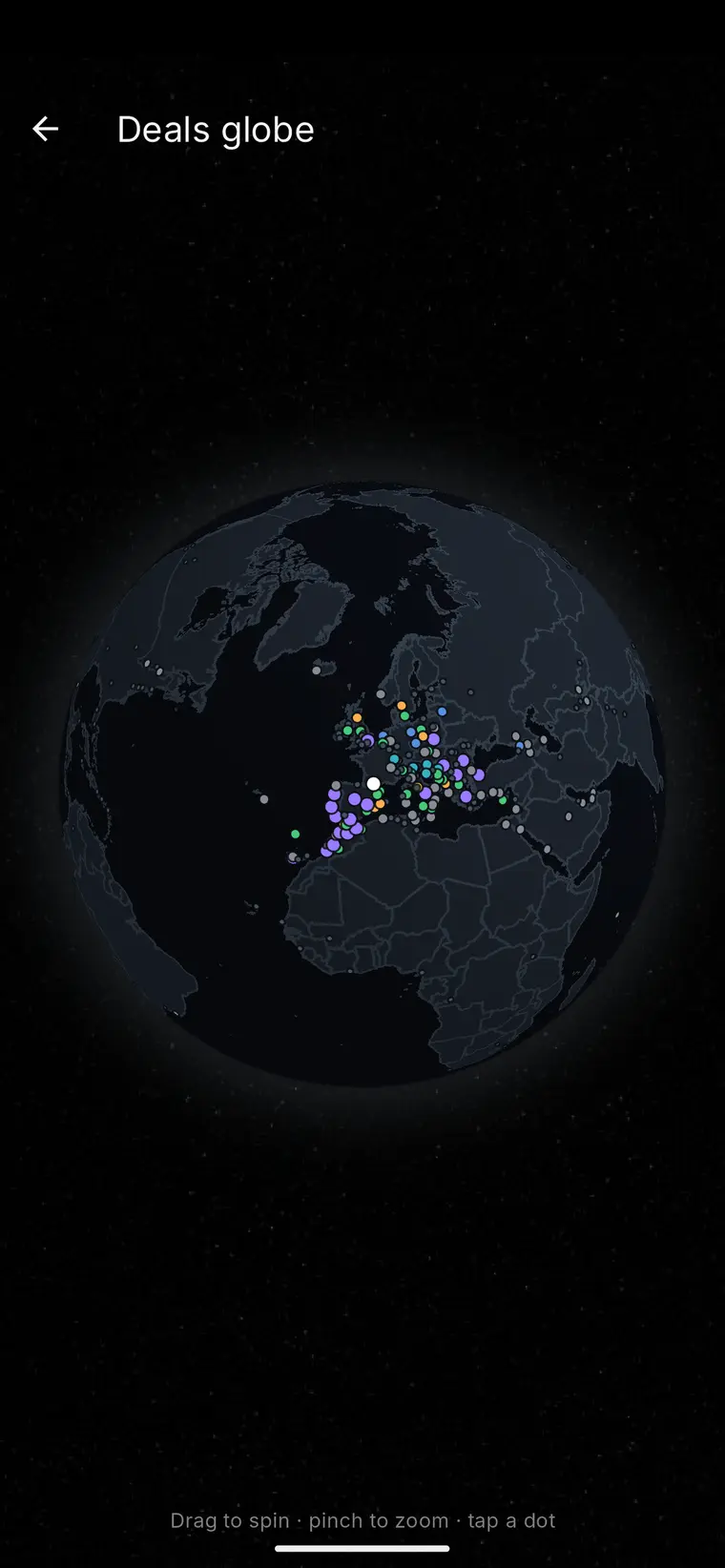
Live destination map
Fare data meets travel intelligence
Move from a current fare signal to a photographed destination page, then use Flare guides to evaluate the complete trip.



Frequently asked questions
Does a cheap flight alert mean the price is guaranteed?
No. A cheap flight alert reports a price that was observed at a particular time. Fares and seat availability can change before you book, so always confirm the current price and conditions with the airline or booking provider before paying.
How do discovery-style deal alerts decide that a fare is cheap?
It depends on the provider, so check the methodology it publishes. Flare's public methodology, for example, says a fare must be at least 30% below a route reference price before it appears on its public deal pages. Where there is enough route history, that reference is a trimmed median of observed baseline prices, and a minimum history is required before the comparison can suggest a large drop. A big percentage drop still does not tell you whether the fare fits your budget or your schedule.
What should I check besides the ticket price before booking a flight deal?
Work out the total trip cost, including baggage, transport to and from each airport, arrival times, connections and accommodation. Read the change and refund rules. Check the current entry, passport, visa and health requirements on official sources for your nationality and destination, both when you book and again before you leave.
Sources and further reading
These resources provide the wider reference frame. Product statements on this page are limited to the public information provided by Flare.